

Embark on a journey to enhance your mental well-being naturally with our in-depth guide on various methods and practices. Dive into the world of holistic mental health as we explore the significance of natural approaches over medication and share personal anecdotes on the power of natural remedies.
Ways to Improve Mental Health Naturally
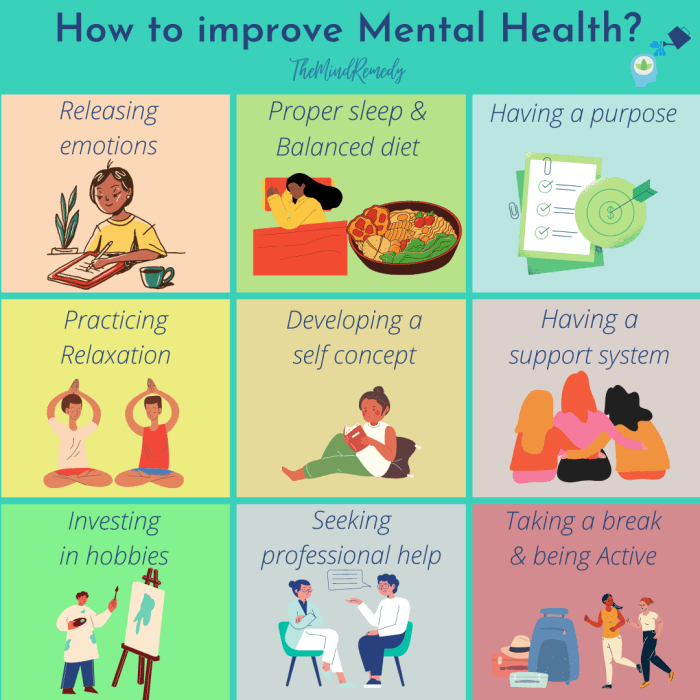
Improving mental health naturally is essential for overall well-being. Natural methods can have long-lasting benefits and fewer side effects compared to medication. Here are some ways to enhance mental health naturally:
Regular Exercise
Exercise is known to release endorphins, which are chemicals that improve mood and reduce stress. Whether it's a brisk walk, yoga, or dancing, regular physical activity can significantly boost mental health.
Healthy Diet
Eating a balanced diet rich in fruits, vegetables, whole grains, and lean proteins can provide essential nutrients for brain function. Avoiding processed foods and excessive sugar can also positively impact mental well-being.
Adequate Sleep
Prioritizing quality sleep is crucial for mental health. Lack of sleep can lead to irritability, cognitive impairment, and mood disorders. Establishing a bedtime routine and creating a comfortable sleep environment can promote better sleep.
Meditation and Mindfulness
Practicing meditation and mindfulness techniques can help reduce anxiety and improve focus. Taking a few minutes each day to quiet the mind and be present in the moment can have a calming effect on mental health.
Connection with Nature
Spending time outdoors and connecting with nature has been shown to reduce stress and improve mood. Whether it's a walk in the park or gardening, being in nature can have a therapeutic effect on mental well-being.
Diet and Nutrition
Maintaining a healthy diet is crucial for overall well-being, including mental health. The food we eat can have a significant impact on our mood, energy levels, and cognitive function.
Foods that Boost Mental Well-Being
- Eating foods rich in omega-3 fatty acids, such as salmon, walnuts, and flaxseeds, can help improve brain function and reduce symptoms of depression.
- Dark leafy greens like spinach and kale are high in antioxidants and vitamins that support brain health and cognitive function.
- Whole grains like brown rice and oats provide a steady release of energy, helping to stabilize mood and improve focus.
- Probiotic-rich foods like yogurt, kefir, and kimchi support gut health, which is closely linked to mental health.
- Nuts and seeds are great sources of magnesium, zinc, and other minerals that play a role in regulating mood and reducing anxiety.
The Relationship Between Gut Health and Mental Health
Our gut is often referred to as our "second brain" due to the strong connection between gut health and mental health. The gut microbiome, which consists of trillions of bacteria, plays a crucial role in regulating neurotransmitters like serotonin, which are essential for mood regulation.
When our gut is out of balance, it can lead to inflammation and an imbalance in neurotransmitters, contributing to symptoms of anxiety, depression, and other mental health issues. Eating a diet rich in fiber, probiotics, and prebiotics can help support a healthy gut microbiome and improve mental well-being.
Exercise and Physical Activity
Regular exercise and physical activity play a crucial role in improving mental health. Physical activity has been linked to reducing symptoms of anxiety, depression, and stress. It can also help boost self-esteem and improve overall cognitive function.
Types of Physical Activities
- Cardiovascular exercises like running, cycling, or swimming can increase endorphin levels and improve mood.
- Strength training exercises can help build confidence and enhance body image.
- Yoga and Pilates focus on mindfulness and relaxation, reducing stress and anxiety levels.
- Dancing or group fitness classes can provide social interaction and a sense of community, promoting mental well-being.
Tips for Incorporating Regular Exercise
- Schedule workouts like appointments in your calendar to make it a priority.
- Start with small goals and gradually increase intensity and duration to avoid burnout.
- Find an activity you enjoy to make exercise more enjoyable and sustainable in the long run.
- Include physical activity in your daily routine, such as walking or taking the stairs instead of the elevator.
Mindfulness and Meditation

Practicing mindfulness and meditation can have significant benefits for mental health. These practices help reduce stress, anxiety, and depression, improve focus and concentration, and promote overall emotional well-being.
Techniques for Beginners
- Start with short sessions: Begin with just a few minutes of mindfulness or meditation each day, gradually increasing the duration as you become more comfortable.
- Focus on your breath: Pay attention to your breath as you inhale and exhale, using it as an anchor to bring your mind back to the present moment.
- Practice gratitude: Take time to reflect on the things you are grateful for, cultivating a positive mindset and reducing negative thoughts.
- Body scan meditation: Slowly scan your body from head to toe, noticing any areas of tension and consciously releasing them, promoting relaxation and mindfulness.
Science Behind Meditation
Meditation has been shown to have profound effects on the brain. Studies have demonstrated that regular meditation can increase gray matter in areas of the brain associated with memory, learning, and emotional regulation. Additionally, meditation can decrease the activity in the amygdala, the part of the brain responsible for the fight or flight response, leading to reduced stress and anxiety levels.
Sleep and Rest
Quality sleep is crucial for maintaining good mental health. It allows the brain to rest and recharge, improves cognitive function, and regulates mood. Poor sleep quality can lead to increased stress, anxiety, and depression.
Tips for Improving Sleep Hygiene
- Avoid caffeine, nicotine, and alcohol close to bedtime.
- Create a relaxing bedtime routine to signal to your body that it's time to wind down.
- Keep your bedroom cool, dark, and quiet to promote better sleep.
- Avoid screens such as phones and computers at least an hour before bedtime.
- Stick to a consistent sleep schedule, going to bed and waking up at the same time every day.
Connection between Sleep, Rest, and Mental Well-being
Quality sleep not only impacts mental health directly but also influences overall well-being. Lack of sleep can impair cognitive function, memory, and decision-making abilities, leading to increased stress and emotional instability. Adequate rest allows the body and mind to recover, repair, and prepare for the challenges of the next day.
Social Connections and Support
Maintaining good mental health involves more than just individual practices like exercise and meditation. Social connections and support play a crucial role in our overall well-being.
The Role of Social Relationships
Building and maintaining strong social connections can help reduce stress, anxiety, and depression. Positive relationships with friends, family, and community members provide a sense of belonging, support, and purpose in life.
- Regularly reaching out to loved ones, whether through phone calls, video chats, or in-person meetings, can help strengthen bonds and provide emotional support.
- Participating in group activities, clubs, or volunteering opportunities can help you meet new people and expand your social network.
- Joining support groups or therapy sessions can provide a safe space to share experiences, gain insights, and receive encouragement from others facing similar challenges.
The Impact of Loneliness
Loneliness can have a significant negative impact on mental well-being. It can lead to feelings of isolation, sadness, and low self-worth, increasing the risk of developing mental health issues like depression and anxiety.
It's important to recognize the signs of loneliness and take proactive steps to connect with others and build a strong support system.
- Engage in social activities that you enjoy and that allow you to interact with others, whether it's joining a book club, attending a fitness class, or participating in community events.
- Reach out to friends, family members, or neighbors for support when you're feeling down or overwhelmed. Don't hesitate to ask for help when you need it.
- Consider seeking professional help from a therapist or counselor if feelings of loneliness persist or become overwhelming. Therapy can provide valuable tools and strategies for coping with loneliness and building healthier relationships.
Time in Nature
Spending time in nature has numerous benefits for mental health. It allows individuals to disconnect from the hustle and bustle of daily life, reduce stress levels, and improve overall well-being. Nature has a calming effect on the mind and can help in boosting mood and increasing feelings of happiness.
Incorporating Nature into Daily Routines
- Take a walk in the park during lunch break or after work.
- Start a small garden at home or tend to indoor plants.
- Plan outdoor activities such as hiking, biking, or picnics on weekends.
Ecotherapy and Mental Well-Being
Ecotherapy, also known as nature therapy, involves outdoor activities in natural surroundings to improve mental health. This form of therapy has shown to reduce symptoms of anxiety, depression, and stress. Spending time in nature can also enhance cognitive function, boost creativity, and increase feelings of vitality and energy.
Outcome Summary
In conclusion, prioritizing your mental health through natural means can lead to a more balanced and fulfilling life. By incorporating these practices into your daily routine, you can take significant strides towards a healthier mind and body.
Query Resolution
Can diet really impact mental health?
Yes, diet plays a crucial role in mental well-being as certain foods can directly affect mood and brain function.
How can mindfulness improve mental health?
Mindfulness practices help in reducing stress, enhancing self-awareness, and promoting emotional balance, thus benefiting mental health.
What are some tips for better sleep hygiene?
Creating a consistent sleep schedule, limiting screen time before bed, and ensuring a comfortable sleep environment can improve sleep hygiene.
Why are social connections important for mental health?
Strong social relationships provide emotional support, reduce feelings of loneliness, and contribute to overall mental well-being.
How does spending time in nature benefit mental health?
Being in nature can reduce stress, improve mood, increase physical activity, and enhance overall mental health and well-being.

