

Embarking on a journey to address anxiety naturally involves making significant lifestyle and dietary adjustments. By incorporating these tips into your daily routine, you can effectively manage anxiety and improve your overall well-being. Let's delve into the key strategies that can help you combat anxiety effortlessly.
As we explore the impact of lifestyle changes, dietary adjustments, stress management techniques, and herbal remedies on anxiety, you'll discover practical ways to enhance your mental health and emotional stability.
Lifestyle Changes
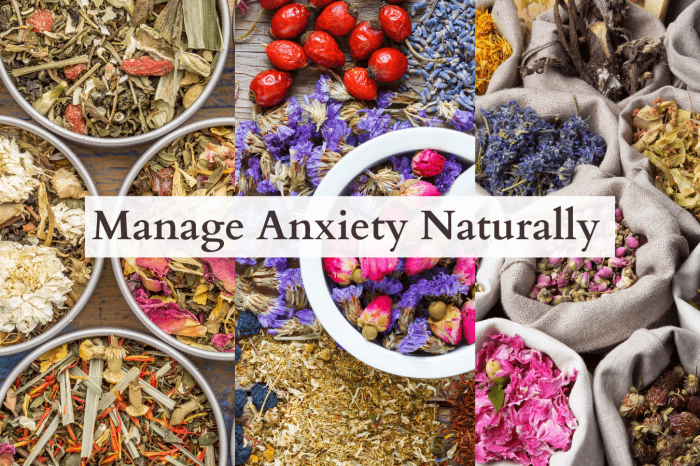
Making certain lifestyle changes can significantly help in managing anxiety naturally. These changes can have a positive impact on both mental and physical well-being, ultimately leading to a reduction in anxiety levels.
Regular Exercise
Regular exercise is known to have a profound effect on anxiety levels. Physical activity helps in releasing endorphins, which are natural mood lifters. It also helps in reducing stress hormones such as cortisol. Incorporating activities like walking, jogging, yoga, or even dancing into your routine can make a significant difference in managing anxiety.
Mindfulness Practices
Incorporating mindfulness practices into daily routines can also greatly reduce anxiety levels. Mindfulness involves being fully present in the moment and focusing on your thoughts and feelings without judgment. Practices like meditation, deep breathing exercises, and yoga can help in calming the mind and reducing anxious thoughts.
By incorporating these practices into your daily routine, you can train your mind to stay focused and calm, even in stressful situations.
Dietary Adjustments
When it comes to managing anxiety naturally, making dietary adjustments can play a significant role in improving your overall mental health. By incorporating specific foods into your diet and being mindful of certain substances, you can help alleviate anxiety symptoms and promote a sense of calm.
Consuming Foods Rich in Magnesium
Magnesium is a crucial mineral that has been linked to reducing anxiety levels. Foods such as leafy greens, nuts, seeds, and whole grains are excellent sources of magnesium. Including these foods in your daily meals can help support your mental well-being and contribute to a more balanced mood.
Relationship Between Caffeine Intake and Anxiety Symptoms
Caffeine is known to stimulate the nervous system and can exacerbate symptoms of anxiety in some individuals. If you are prone to anxiety, it may be beneficial to limit your caffeine intake or opt for decaffeinated options. By reducing your consumption of caffeinated beverages, you may experience a decrease in anxiety-related symptoms.
Benefits of a Balanced Diet in Reducing Anxiety Levels
Adopting a well-rounded and nutritious diet can have a positive impact on your mental health, including reducing anxiety levels. Consuming a variety of fruits, vegetables, lean proteins, and healthy fats can provide your body with essential nutrients that support brain function and mood regulation.
By maintaining a balanced diet, you can help manage anxiety naturally and improve your overall well-being.
Stress Management Techniques
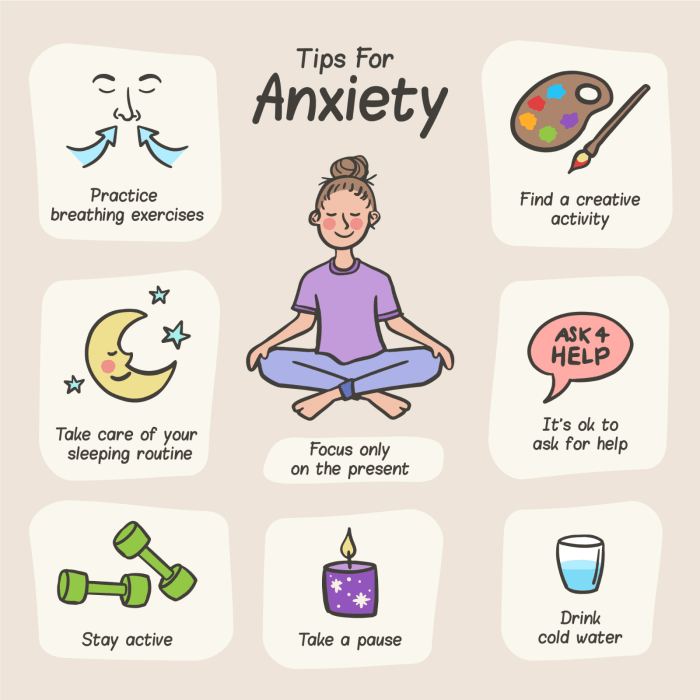
Stress management plays a crucial role in reducing anxiety levels and improving overall mental well-being. By incorporating effective stress-relief activities into your daily routine and prioritizing adequate sleep, you can better manage stress and alleviate anxiety symptoms.
Incorporate Stress-Relief Activities
- Practice mindfulness and meditation: Engaging in mindfulness exercises and meditation can help calm the mind and reduce stress levels.
- Physical exercise: Regular physical activity releases endorphins, which are known to boost mood and reduce stress.
- Breathing exercises: Deep breathing techniques can help relax the body and mind, reducing feelings of stress and anxiety.
- Journaling: Writing down your thoughts and emotions can be a therapeutic way to process stress and gain clarity.
Impact of Adequate Sleep
Adequate sleep is essential for managing stress and anxiety effectively. Lack of sleep can exacerbate feelings of stress and contribute to heightened anxiety levels. By prioritizing quality sleep and establishing a consistent bedtime routine, you can improve your overall mental well-being and reduce the negative impact of stress on your life.
Herbal Remedies and Supplements
When it comes to managing anxiety naturally, herbal remedies and supplements can play a significant role in supporting mental well-being. These natural alternatives are often used as complementary approaches to traditional anxiety management techniques.
Herbal Remedies
Herbal remedies like chamomile and lavender have been known for their calming properties and are commonly used to help reduce anxiety symptoms. Chamomile tea, for example, is a popular choice for promoting relaxation and reducing stress. Lavender essential oil is often used in aromatherapy to create a soothing atmosphere and alleviate anxiety.
Supplements
Omega-3 fatty acids, found in fish oil supplements, have shown promise in supporting mental health and reducing symptoms of anxiety. These essential fatty acids are believed to play a role in brain function and can help regulate neurotransmitters associated with mood and stress.
Natural Remedies as Complementary Approaches
-
It is important to note that while herbal remedies and supplements can be beneficial in managing anxiety, they should not replace professional medical advice or prescribed treatments. They are best used in conjunction with lifestyle changes and stress management techniques for a holistic approach to mental well-being.
Wrap-Up
In conclusion, embracing a holistic approach to managing anxiety through lifestyle and diet modifications can lead to profound changes in your emotional resilience and mental clarity. By following the tips Artikeld in this guide, you can take proactive steps towards a calmer and more balanced life.
Popular Questions
How important is regular exercise in managing anxiety?
Regular exercise plays a crucial role in reducing anxiety levels by releasing endorphins, which are natural mood lifters. It also helps in promoting better sleep and overall well-being.
Can dietary adjustments really impact anxiety?
Yes, consuming foods rich in magnesium, such as leafy greens and nuts, can help in managing anxiety as magnesium deficiency has been linked to increased anxiety levels.
Do herbal remedies like chamomile have any scientific basis for managing anxiety?
Research suggests that chamomile has calming properties that can help reduce symptoms of anxiety. However, it's important to consult with a healthcare professional before incorporating herbal remedies.

