

Embark on a journey towards hormonal balance with our Lifestyle and Nutrition Guide. This guide delves into the intricate relationship between lifestyle choices, nutrition, and hormonal health, offering valuable insights to help you achieve optimal well-being.
Lifestyle Changes
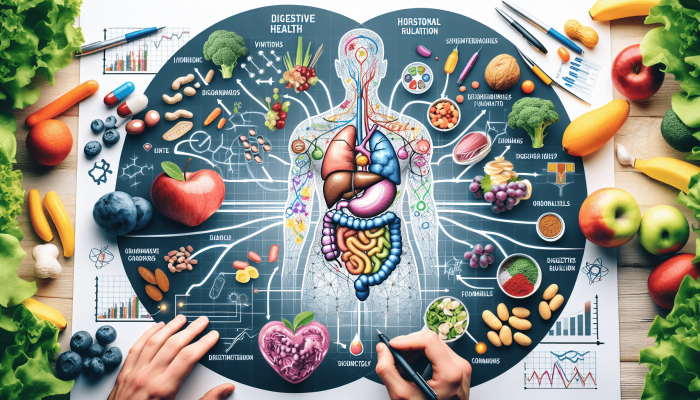
Incorporating lifestyle changes is crucial for maintaining hormonal balance. This includes adopting healthy habits such as regular exercise, stress management techniques, relaxation practices, and ensuring sufficient sleep.
Exercise Routines for Hormonal Balance
Regular exercise plays a significant role in balancing hormones. It helps regulate insulin levels, reduce cortisol (stress hormone) production, and promote the release of endorphins (feel-good hormones). Aim for a mix of cardiovascular exercises, strength training, and flexibility exercises to support overall hormonal health.
Stress Management Techniques
Chronic stress can disrupt hormonal balance, leading to various health issues. Incorporate stress management techniques such as deep breathing exercises, meditation, yoga, or mindfulness practices. These techniques can help lower cortisol levels and promote a sense of calm and relaxation.
Relaxation Practices for Hormone Regulation
Engaging in relaxation practices like aromatherapy, massage therapy, or spending time in nature can help regulate hormone levels. These practices can reduce stress, improve mood, and support overall hormonal balance. Prioritize self-care activities that help you unwind and relax.
Impact of Sufficient Sleep on Hormonal Balance
Getting enough quality sleep is essential for hormonal health. During sleep, the body repairs tissues, balances hormone levels, and supports overall well-being. Aim for 7-9 hours of quality sleep each night to optimize hormonal balance and improve overall health.
Nutrition Guide
When it comes to supporting hormonal balance through nutrition, certain foods play a crucial role in ensuring optimal health and well-being.
Foods that support hormonal balance
- Fatty fish such as salmon, mackerel, and sardines are rich in omega-3 fatty acids, which are essential for hormone production and balance.
- Leafy greens like spinach and kale are packed with vitamins and minerals that help regulate hormone levels.
- Avocados are a great source of healthy fats that support hormone function.
- Nuts and seeds like almonds, walnuts, and flaxseeds provide essential nutrients for hormonal health.
Benefits of a balanced diet vs. dietary restrictions
A balanced diet that includes a variety of nutrient-dense foods provides the body with the necessary building blocks for hormone production and regulation. This approach ensures overall health and well-being, unlike restrictive diets that may lead to nutrient deficiencies and hormonal imbalances.
Role of hydration in maintaining hormonal balance
Hydration is essential for hormone transport and communication within the body. Drinking an adequate amount of water helps support optimal hormone function and balance.
Effects of caffeine and alcohol consumption
Caffeine consumption can disrupt hormone levels, particularly cortisol and insulin, leading to imbalances and potential health issues. Alcohol consumption can also interfere with hormone production and regulation, affecting overall hormonal balance.
Hormonal Imbalance Symptoms
Hormones play a crucial role in regulating various bodily functions, and when there is an imbalance, it can lead to a range of symptoms that affect both men and women differently.
Common Signs of Hormonal Imbalance
- Irregular periods or changes in menstrual cycle for women
- Reduced libido
- Unexplained weight gain or weight loss
- Fatigue and low energy levels
- Mood swings and irritability
Impact of Hormonal Fluctuations on Mood and Energy Levels
Hormonal fluctuations can significantly impact mood and energy levels. For example, a decrease in estrogen levels can lead to irritability and mood swings, while low testosterone levels in men can result in fatigue and reduced motivation.
How Hormonal Imbalance Affects Weight Management
- Hormonal imbalances can affect metabolism, making it harder to lose weight.
- High levels of cortisol, known as the stress hormone, can lead to increased abdominal fat.
- Insulin resistance due to hormonal imbalances can make it challenging to regulate blood sugar levels, leading to weight gain.
Relationship Between Hormonal Health and Skin Conditions
Hormonal imbalances can manifest in various skin conditions due to the impact on oil production, inflammation, and cell turnover. Conditions like acne, eczema, and psoriasis can worsen with hormonal fluctuations, highlighting the importance of hormonal balance for skin health.
Supplements and Herbs
When it comes to balancing hormones naturally, supplements and herbs can play a significant role in supporting hormonal health. However, it is crucial to approach these options with caution and consult a healthcare provider before incorporating them into your routine.
Natural Supplements for Hormonal Balance
- Omega-3 fatty acids: Found in fish oil, flaxseeds, and walnuts, omega-3s can help reduce inflammation and support hormone production.
- Vitamin D: Known as the sunshine vitamin, vitamin D plays a crucial role in hormone regulation and overall health.
- Magnesium: This essential mineral can help reduce stress and anxiety, which can impact hormone balance.
Herbs for Hormonal Balance
- Maca root: Known for its hormone-balancing properties, maca root can help support adrenal and thyroid function.
- Ashwagandha: An adaptogenic herb, ashwagandha can help reduce stress and support hormone balance.
- Chasteberry: Also known as Vitex, chasteberry can help regulate menstrual cycles and support hormone balance in women.
It is essential to consult a healthcare provider before starting any new supplements or herbs to ensure they are safe and appropriate for your individual needs.
Potential Side Effects of Herbal Remedies
- Some herbs may interact with medications or have side effects, so it is crucial to research and consult a healthcare provider before use.
- Excessive use of certain herbs can lead to hormonal imbalances or other health issues, so moderation is key.
Tips for Safely Incorporating Supplements
- Start with low doses and monitor how your body reacts before increasing the dosage.
- Choose high-quality supplements from reputable brands to ensure purity and potency.
- Keep track of any changes in symptoms or side effects and discuss them with your healthcare provider.
Ending Remarks
In conclusion, prioritizing lifestyle changes and nutrition is key to maintaining hormonal balance. By adopting the recommendations Artikeld in this guide, you can take proactive steps towards enhancing your overall health and vitality.
FAQ
What are some relaxation practices that can help regulate hormones?
Practices such as yoga, meditation, and deep breathing exercises are effective in reducing stress levels and balancing hormones.
How does hydration impact hormonal balance?
Staying well-hydrated is crucial for optimal hormonal function as water plays a key role in various physiological processes.
What are the common signs of hormonal imbalance in men and women?
Common signs include fatigue, weight gain, mood swings, irregular periods, and hair loss among others.
Are there any potential side effects of using herbal remedies for hormonal balance?
While generally considered safe, herbal remedies may cause side effects or interact with medications, hence consulting a healthcare provider is recommended.

