

Embark on a journey towards a healthier lifestyle with plant-based living and discover the numerous benefits of intermittent fasting. This engaging topic delves into the advantages of plant-based diets, transitioning tips, incorporating intermittent fasting, and meal planning for a balanced approach to wellness.
Health benefits of Plant-Based Living
Following a plant-based diet can offer numerous advantages for overall health. Not only does it provide a wide array of essential nutrients, but it also has been linked to various health benefits such as weight management, heart health, and reducing the risk of chronic diseases like diabetes and cancer.
Key Nutrients in Plant-Based Foods and their Health Benefits
Plant-based foods are rich in essential nutrients that are vital for maintaining good health. Some key nutrients commonly found in plant-based foods include:
- Fiber: Helps with digestion, regulates blood sugar levels, and promotes a healthy gut microbiome.
- Antioxidants: Protect cells from damage caused by free radicals, reducing inflammation and lowering the risk of chronic diseases.
- Vitamins and minerals: Essential for various bodily functions, such as immune system support, bone health, and energy production.
Contribution to Weight Management and Heart Health
Plant-based diets are often lower in calories and saturated fats compared to animal-based diets, making them an excellent choice for weight management. Additionally, the high fiber content in plant-based foods can help you feel full and satisfied, reducing the likelihood of overeating.
Moreover, the abundance of nutrients in plant-based foods can support heart health by lowering cholesterol levels and reducing the risk of heart disease.
Impact on Reducing the Risk of Chronic Diseases
Research has shown that plant-based diets may help reduce the risk of chronic diseases such as diabetes and cancer. The high fiber content and antioxidants present in plant-based foods can help regulate blood sugar levels and protect cells from damage, lowering the risk of developing these conditions.
Transitioning to a Plant-Based Lifestyle
Switching to a plant-based diet can be a positive step towards a healthier lifestyle. Here are some tips to help individuals make a successful transition:
Essential Pantry Staples for a Plant-Based Kitchen
When transitioning to a plant-based diet, it's important to stock up on key pantry staples to make meal preparation easier. Some essential items to have in your plant-based kitchen include:
- Fruits and vegetables: Fresh produce should be the foundation of your plant-based meals.
- Whole grains: Brown rice, quinoa, oats, and whole wheat pasta provide essential nutrients.
- Legumes: Beans, lentils, and chickpeas are excellent sources of plant-based protein.
- Nuts and seeds: Almonds, chia seeds, flaxseeds, and walnuts add healthy fats and protein to your diet.
- Plant-based milk: Options like almond, soy, or oat milk can replace dairy milk in recipes.
- Herbs and spices: Dried herbs, spices, and seasonings can add flavor to plant-based dishes.
Importance of Meal Planning and Recipe Research
Meal planning and recipe research are crucial when transitioning to a plant-based diet to ensure you are getting all the necessary nutrients. By planning your meals in advance and exploring new plant-based recipes, you can prevent any nutritional gaps and make the transition smoother.
Ensuring Adequate Protein Intake
Contrary to common misconceptions, it is entirely possible to meet your protein needs on a plant-based diet. Some excellent sources of plant-based protein include:
- Lentils: Packed with protein and fiber, lentils are a versatile ingredient in plant-based cooking.
- Quinoa: A complete protein, quinoa is a great alternative to rice or pasta.
- Chickpeas: Whether roasted, blended into hummus, or added to salads, chickpeas are a protein powerhouse.
- Tofu and tempeh: These soy-based products are rich in protein and can be used in a variety of dishes.
- Seitan: Made from wheat gluten, seitan is a high-protein meat substitute popular in plant-based cooking.
Incorporating Intermittent Fasting into a Plant-Based Lifestyle
Intermittent fasting is an eating pattern that cycles between periods of fasting and eating. It does not prescribe specific foods to eat but rather when you should eat them. This approach has gained popularity due to its potential health benefits, including weight loss, improved metabolic health, and longevity.Intermittent fasting can complement a plant-based diet by helping individuals regulate their calorie intake, improve insulin sensitivity, and enhance cellular repair processes.
When combined, these two approaches can work synergistically to promote overall health and well-being.
Different Methods of Intermittent Fasting
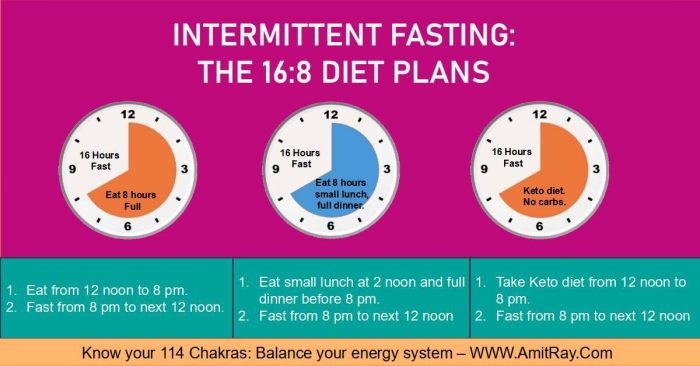
- 16/8 method: Involves fasting for 16 hours and eating within an 8-hour window each day.
- 5:2 diet: Involves eating normally for 5 days a week and restricting calories to 500-600 on the other 2 days.
- Alternate-day fasting: Involves alternating between days of regular eating and fasting.
It is essential to listen to your body and consult a healthcare professional before starting any fasting regimen.
Tips for Safely Incorporating Intermittent Fasting into a Plant-Based Lifestyle
- Start slowly and gradually increase fasting periods to allow your body to adjust.
- Stay hydrated and focus on nutrient-dense plant-based foods during eating windows to ensure you meet your nutritional needs.
- Monitor your energy levels, hunger cues, and overall well-being throughout the fasting process.
Meal Planning and Recipes for a Healthy Plant-Based Lifestyle
Incorporating a variety of plant-based foods into your diet, while also practicing intermittent fasting, can provide numerous health benefits. It is essential to plan your meals thoughtfully to ensure you are getting all the necessary nutrients your body needs to thrive.
Sample Meal Plan
Creating a meal plan that combines plant-based foods with intermittent fasting can be both nutritious and delicious. Here's a sample meal plan to get you started:
- Breakfast: Overnight oats topped with fresh berries and nuts
- Lunch: Chickpea salad with mixed greens, cherry tomatoes, and avocado
- Snack: Carrot sticks with hummus
- Dinner: Lentil and vegetable stir-fry served with quinoa
Plant-Based Recipes for Intermittent Fasting
Here are some easy and nutritious plant-based recipes that are suitable for intermittent fasting:
- Quinoa Buddha Bowl: A colorful bowl filled with quinoa, roasted vegetables, chickpeas, and a tahini dressing
- Vegan Lentil Soup: A hearty soup made with lentils, vegetables, and flavorful spices
- Chia Seed Pudding: A simple and satisfying dessert made with chia seeds, plant-based milk, and fruit toppings
Importance of Balance and Variety
Maintaining a balance of different plant-based foods is crucial to ensure you are getting all the necessary nutrients. Incorporating a variety of fruits, vegetables, whole grains, legumes, nuts, and seeds into your diet can help you meet your nutritional needs.
Tips for Getting All Necessary Nutrients
To ensure you're getting all the essential nutrients on a plant-based diet, consider the following tips:
- Include a variety of colorful fruits and vegetables in your meals
- Incorporate sources of plant-based protein such as beans, lentils, tofu, and tempeh
- Don't forget to include sources of healthy fats like nuts, seeds, and avocado
- Consider taking a B12 supplement to meet your vitamin needs
Last Point
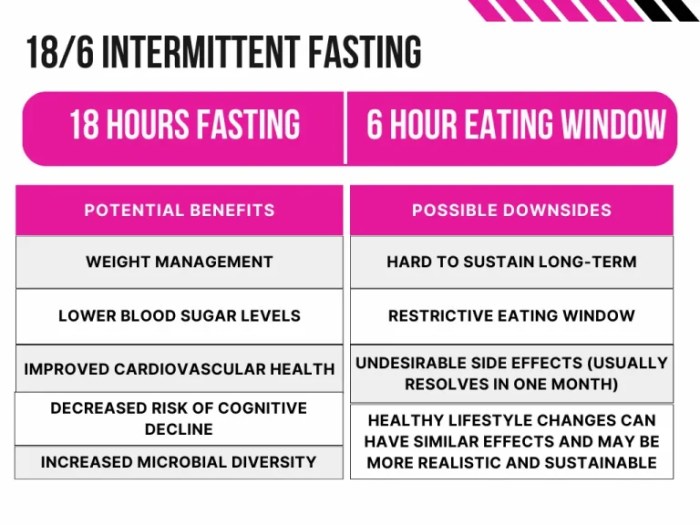
In conclusion, creating a healthy lifestyle with plant-based living and intermittent fasting offers a holistic approach to well-being. By embracing plant-based foods and incorporating intermittent fasting, individuals can enhance their overall health and reduce the risk of chronic diseases. Take the first step towards a healthier you today!
Query Resolution
How can I ensure I get enough protein on a plant-based diet?
Ensure a variety of protein sources such as beans, lentils, tofu, tempeh, quinoa, and nuts are included in your meals.
What are some essential pantry staples for a plant-based kitchen?
Stock up on items like whole grains, legumes, nuts, seeds, spices, nutritional yeast, and plant-based milk alternatives.
Can intermittent fasting be beneficial for weight management?
Yes, intermittent fasting can help with weight management by promoting fat loss and improving metabolic health.
Is it necessary to plan meals when transitioning to a plant-based diet?
Meal planning is highly recommended to ensure you meet your nutritional needs and make the transition smoother.

