

Delving into Chronic stress management strategies that work, this introduction immerses readers in a unique and compelling narrative, with a focus on understanding the impact of chronic stress on mental and physical health. It explores the difference between acute and chronic stress, delves into common causes of chronic stress in modern society, and sets the stage for effective coping mechanisms and lifestyle changes to combat this prevalent issue.
Understanding Chronic Stress
Chronic stress is a prolonged and constant feeling of pressure and tension that can have a detrimental impact on both mental and physical health. Unlike acute stress, which is short-term and typically triggered by a specific event, chronic stress persists over an extended period, often leading to serious health problems if not managed effectively.
Impact on Mental and Physical Health
Chronic stress can significantly affect mental health by causing anxiety, depression, and mood disorders. It can also weaken the immune system, increase the risk of cardiovascular diseases, and contribute to conditions such as obesity and diabetes.
Causes of Chronic Stress in Modern Society
- Work-related stress: High-pressure jobs, long working hours, and job insecurity can contribute to chronic stress.
- Financial stress: Struggling with debt, financial instability, or living paycheck to paycheck can lead to ongoing stress.
- Relationship issues: Conflict with family members, friends, or partners can create chronic stress.
- Health concerns: Chronic illnesses, pain, or disability can result in long-term stress.
- Traumatic experiences: Past trauma or ongoing exposure to traumatic events can lead to chronic stress.
Identifying Symptoms of Chronic Stress
Chronic stress can have a profound impact on our physical, emotional, and behavioral well-being. Recognizing the symptoms of chronic stress is crucial in order to address and manage it effectively.
Physical Symptoms of Chronic Stress
- Headaches and migraines
- Digestive issues such as stomach pain, nausea, or diarrhea
- Muscle tension and body aches
- Weakened immune system leading to frequent illnesses
Emotional and Behavioral Signs of Chronic Stress
- Feelings of anxiety, irritability, or mood swings
- Depression or feelings of sadness
- Difficulty concentrating or making decisions
- Social withdrawal or isolation
Impact on Relationships and Work Performance
Chronic stress can also manifest in our relationships and work performance. In relationships, individuals experiencing chronic stress may become more irritable, less patient, and have difficulty communicating effectively. This can lead to conflicts and strain on relationships. In terms of work performance, chronic stress can result in decreased productivity, difficulty focusing, and increased absenteeism.
It can also affect decision-making abilities and lead to burnout if not managed properly.
Effective Coping Mechanisms
Mindfulness and meditation are powerful tools for managing chronic stress. By practicing mindfulness, individuals can learn to focus on the present moment and cultivate a sense of calmness. Meditation, on the other hand, helps in reducing stress levels by promoting relaxation and enhancing self-awareness.
Mindfulness and Meditation
- Engage in mindfulness practices such as deep breathing exercises, body scans, and guided meditation sessions.
- Allocate a few minutes each day to sit quietly and focus on your breath, allowing thoughts to come and go without judgment.
- Join a meditation class or use meditation apps to incorporate this practice into your daily routine.
Regular exercise is another effective coping mechanism for managing chronic stress. Physical activity helps in reducing the levels of stress hormones in the body and promotes the release of endorphins, which are natural mood lifters.
Regular Exercise
- Engage in activities like jogging, yoga, swimming, or dancing to release tension and improve overall well-being.
- Set realistic fitness goals and incorporate exercise into your daily schedule to make it a consistent habit.
- Find a workout buddy or join group fitness classes for added motivation and social support.
Maintaining a healthy diet is essential in combating the effects of chronic stress. Consuming a balanced diet rich in fruits, vegetables, whole grains, and lean proteins can provide the necessary nutrients to support the body during stressful periods.
Healthy Diet
- Avoid excessive consumption of caffeine, sugar, and processed foods, as they can exacerbate stress levels and lead to energy crashes.
- Include foods high in antioxidants, such as berries, nuts, and leafy greens, to combat oxidative stress and boost immunity.
- Stay hydrated by drinking plenty of water throughout the day to support overall health and cognitive function.
Lifestyle Changes for Stress Management
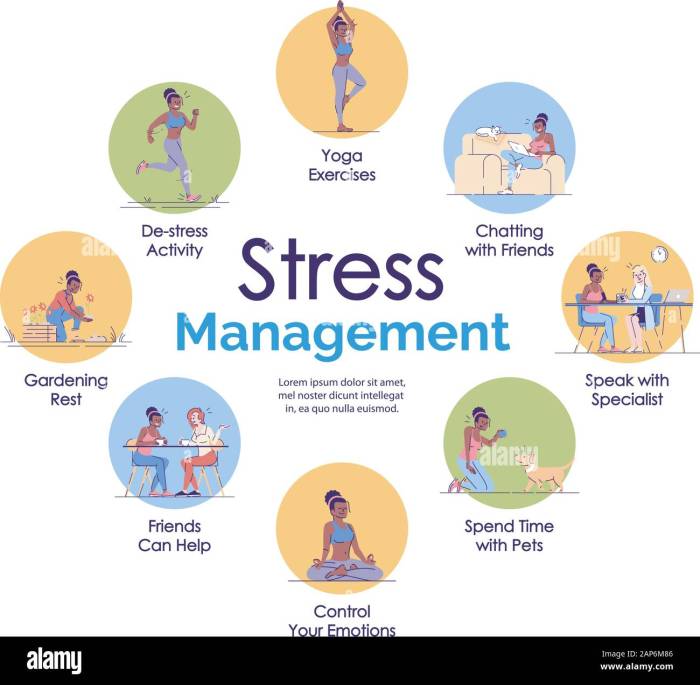
When it comes to managing chronic stress, making lifestyle changes can have a significant impact on your overall well-being. By incorporating these strategies into your daily routine, you can effectively reduce stress levels and improve your quality of life.
Improving Sleep Quality
Getting enough quality sleep is essential for managing stress. Here are some tips to help improve your sleep:
- Avoid caffeine and electronic devices before bedtime.
- Create a relaxing bedtime routine.
- Ensure your sleep environment is comfortable and conducive to rest.
- Stick to a consistent sleep schedule.
Setting Boundaries and Managing Time
Effective time management and setting boundaries can greatly reduce stress. Consider the following strategies:
- Learn to say no to tasks that overwhelm you.
- Prioritize your daily tasks and set realistic goals.
- Delegate responsibilities when possible.
- Practice mindfulness and focus on one task at a time.
Importance of Social Support
Building a strong support network is crucial for managing chronic stress. Here's why social support is important:
- Connect with friends and family for emotional support.
- Join a support group or community with shared interests.
- Seek professional help when needed.
- Engage in activities that promote social interaction and positive relationships.
Ultimate Conclusion
In conclusion, Chronic stress management strategies that work are essential for maintaining a healthy balance in our daily lives. By incorporating mindfulness, exercise, healthy diet choices, quality sleep, effective time management, and strong social support, individuals can effectively manage chronic stress and improve their overall well-being.
This comprehensive guide provides valuable insights into navigating the complexities of chronic stress and empowers readers to take proactive steps towards a healthier, stress-free lifestyle.
Question Bank
What are some common emotional signs of chronic stress?
Common emotional signs of chronic stress include irritability, anxiety, mood swings, and feelings of overwhelm.
How can mindfulness and meditation help in managing chronic stress?
Mindfulness and meditation promote relaxation, reduce anxiety, and increase self-awareness, helping individuals cope with the effects of chronic stress.
Why is social support important in combating chronic stress?
Social support provides a sense of belonging, reduces feelings of isolation, and offers practical help during challenging times, making it crucial in managing chronic stress effectively.

