

Exploring the intricate relationship between your lifestyle choices and gut health unveils a fascinating journey of discovery. From the impact of diet and exercise to stress management and sleep quality, each aspect plays a crucial role in nurturing a healthy gut microbiome.
Let's delve deeper into how these factors influence your gut health and well-being.
As we navigate through the realms of diet, exercise, stress management, and sleep quality, we unravel the secrets to maintaining a thriving gut ecosystem and overall wellness.
How Diet Impacts Gut Health
Eating habits play a crucial role in maintaining a healthy gut. The food we consume directly affects the composition of our gut microbiome, which in turn impacts our overall health.
Foods that Support a Healthy Gut Microbiome
- Probiotic-rich foods like yogurt, kefir, and sauerkraut help promote the growth of beneficial bacteria in the gut.
- Fiber-rich foods such as fruits, vegetables, whole grains, and legumes provide essential nutrients for gut bacteria to thrive.
- Prebiotic foods like garlic, onions, and bananas feed the good bacteria in the gut, promoting a balanced microbiome.
Impact of Processed Foods on Gut Health
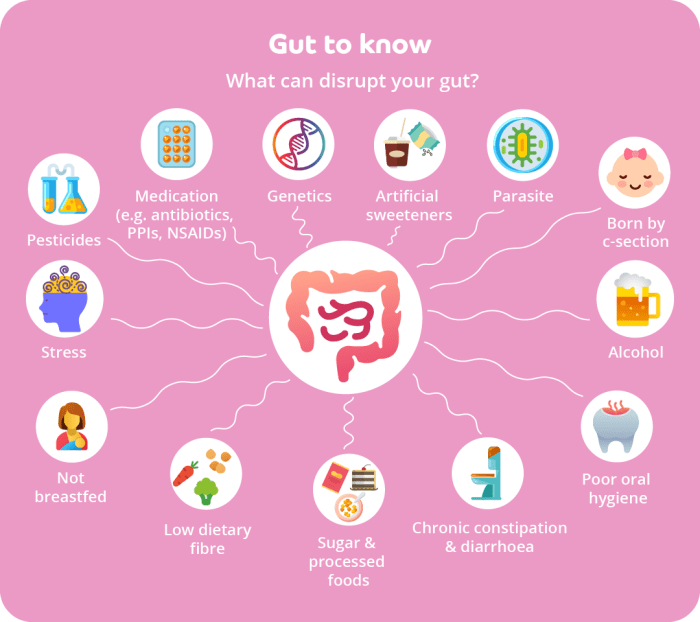
Processed foods high in sugar, artificial additives, and preservatives can disrupt the balance of gut bacteria and lead to inflammation in the gut. These foods do not provide the necessary nutrients for good bacteria to flourish, compromising overall gut health.
Importance of Exercise
Regular exercise plays a crucial role in maintaining overall health, including gut health. Physical activity has been linked to a diverse gut microbiota, which is essential for proper digestion and immune function.
Promoting a Diverse Gut Microbiota
Regular exercise has been shown to promote a diverse gut microbiota, which refers to a wide variety of beneficial bacteria in the gut. This diversity is important for overall gut health and has been associated with reduced risk of various diseases.
- Studies have shown that individuals who engage in regular physical activity tend to have a more diverse gut microbiota compared to sedentary individuals.
- Exercise can help increase the abundance of beneficial bacteria in the gut, such as Lactobacillus and Bifidobacterium, which play a key role in maintaining gut health.
- By promoting a diverse gut microbiota, regular exercise can help improve digestion, nutrient absorption, and immune function.
Benefits of Different Types of Exercises
Different types of exercises can have varying effects on gut health, each offering unique benefits.
Aerobic exercise:
- Aerobic exercises like running, cycling, and swimming have been shown to increase the abundance of beneficial gut bacteria and reduce inflammation in the gut.
- These activities can also help regulate bowel movements and improve overall gut motility.
Strength training:
- Strength training exercises, such as weightlifting, can help promote the growth of beneficial bacteria in the gut and improve gut barrier function.
- These exercises can also help reduce gut inflammation and support overall gut health.
Yoga and Pilates:
- Yoga and Pilates have been shown to reduce stress levels, which can have a positive impact on gut health by reducing inflammation and improving gut function.
- These mind-body exercises can also help regulate digestion and promote a healthy gut microbiota.
Stress Management and Gut Health
Stress can have a significant impact on gut health through the gut-brain axis, a bidirectional communication system between the central nervous system and the enteric nervous system of the gut. When we experience stress, it can lead to changes in the gut microbiota composition, increased intestinal permeability, and inflammation, all of which can negatively affect gut health.
Strategies to Reduce Stress Levels for Better Gut Health
- Practice relaxation techniques such as deep breathing, meditation, or yoga to help lower stress levels.
- Engage in regular physical activity, as exercise can help reduce stress and improve overall well-being.
- Ensure you get an adequate amount of sleep, as lack of sleep can contribute to increased stress levels.
- Establish healthy boundaries and prioritize self-care to prevent burnout and chronic stress.
Connection Between Mindfulness Practices and a Healthy Gut
Mindfulness practices such as mindfulness meditation have been shown to reduce stress and improve gut health by modulating the gut-brain axis.
Studies have demonstrated that mindfulness practices can help regulate the autonomic nervous system, reduce cortisol levels, and promote a healthier gut microbiota composition. By incorporating mindfulness into your daily routine, you can support your gut health and overall well-being.
Sleep Quality and Gut Health
Sleep plays a crucial role in maintaining a healthy gut. The quality and quantity of sleep can have a significant impact on the diversity of gut microbiota, which in turn affects overall gut health.
Importance of Sleep for Gut Health
Poor sleep patterns can disrupt the balance of gut bacteria, leading to inflammation and various digestive issues. Adequate sleep is essential for the proper functioning of the gut and overall well-being.
Influence of Sleep Patterns on Gut Microbiota Diversity
Research has shown that irregular sleep patterns can reduce the diversity of gut microbiota, which is associated with a higher risk of gastrointestinal problems. Consistent and quality sleep is crucial for maintaining a healthy balance of gut bacteria.
Tips for Improving Sleep Quality to Support Gut Health
- Avoid caffeine and heavy meals close to bedtime.
- Establish a bedtime routine to signal your body that it's time to sleep.
- Create a comfortable sleep environment with minimal distractions.
- Limit screen time before bed to reduce exposure to blue light that can disrupt sleep.
- Practice relaxation techniques such as deep breathing or meditation to promote restful sleep.
Concluding Remarks
In conclusion, the symbiotic dance between your lifestyle choices and gut health is a harmonious one. By making informed decisions about what you eat, how you move, and how you manage stress and sleep, you can cultivate a flourishing gut microbiota that supports your overall health.
Embrace these insights and embark on a journey towards a healthier, happier you.
Popular Questions
How does stress impact gut health?
Stress can disrupt the gut-brain axis, leading to digestive issues and imbalances in gut bacteria. Implementing stress-reducing techniques like meditation and deep breathing can help restore gut health.
What are some examples of foods that support a healthy gut microbiome?
Foods like yogurt, kefir, sauerkraut, and kimchi are rich in probiotics that promote a diverse gut microbiota. High-fiber foods like fruits, vegetables, and whole grains also support gut health.
How can sleep patterns influence gut microbiota diversity?
Poor sleep quality or inadequate sleep can disrupt the balance of gut bacteria, affecting diversity and overall gut health. Establishing a consistent sleep routine can help maintain a healthy gut microbiome.

