


Exploring the profound effects of sleep quality on overall health, this introduction sets the stage for a detailed examination of this crucial relationship. From the significance of quality sleep to its far-reaching consequences, readers will embark on a journey to uncover the intricate link between rest and well-being.
As we delve deeper into the factors influencing sleep quality and its implications on physical and mental health, a clearer understanding of the importance of prioritizing quality rest emerges.
Introduction to Sleep Quality and Overall Health
Sleep quality refers to how well an individual sleeps, taking into account factors such as duration, continuity, depth, and restoration. It plays a crucial role in overall health and well-being, influencing various aspects of physical, mental, and emotional health.
The relationship between sleep quality and overall health is significant, as poor sleep can lead to a range of health issues, including increased risk of chronic conditions such as obesity, diabetes, cardiovascular diseases, and mental health disorders. Conversely, good sleep quality is associated with better cognitive function, immune system function, mood regulation, and overall quality of life.
The Impact of Sleep Quality on Health
- Studies have shown that inadequate sleep or poor sleep quality can weaken the immune system, making individuals more susceptible to infections and illnesses.
- Chronic sleep deprivation has been linked to an increased risk of obesity, as it disrupts the balance of hormones that regulate appetite and metabolism.
- Poor sleep quality is associated with an elevated risk of developing cardiovascular diseases, including hypertension, heart disease, and stroke.
- Insufficient sleep can impair cognitive function, affecting memory, concentration, and decision-making abilities.
Factors Influencing Sleep Quality
Quality of sleep can be influenced by various factors including environmental conditions, lifestyle habits, and underlying medical conditions. Understanding these factors is crucial in improving overall sleep quality and subsequently enhancing overall health.
Environmental Factors Affecting Sleep Quality
Environmental factors play a significant role in determining the quality of sleep an individual gets. Factors such as noise levels, temperature, lighting, and air quality in the bedroom can impact the ability to fall asleep and stay asleep. For instance, a noisy environment can disrupt sleep patterns, leading to fragmented and poor-quality sleep.
Therefore, creating a comfortable and conducive sleep environment is essential for promoting better sleep quality.
Lifestyle Habits Impacting Sleep Quality
Lifestyle habits can greatly influence sleep quality. Practices such as irregular sleep schedules, excessive screen time before bed, consumption of stimulants like caffeine close to bedtime, and lack of physical activity can all contribute to poor sleep quality. Establishing a consistent sleep routine, limiting screen exposure before bedtime, avoiding caffeine in the evening, and engaging in regular exercise can help improve sleep quality and overall well-being.
Medical Conditions Contributing to Poor Sleep Quality
Certain medical conditions can also impact sleep quality. Conditions such as sleep apnea, restless leg syndrome, insomnia, and chronic pain disorders can disrupt normal sleep patterns, resulting in poor-quality sleep. Managing these underlying medical conditions through proper treatment and lifestyle modifications is essential in improving sleep quality and overall health.
Physical Health Effects of Poor Sleep Quality
Inadequate sleep can have significant impacts on our physical health, affecting various bodily functions and processes. It is crucial to understand how poor sleep quality can lead to a range of health conditions and disrupt the body's natural repair and recovery mechanisms.
Impact on Cardiovascular Health
Poor sleep quality has been linked to an increased risk of cardiovascular diseases such as hypertension, heart disease, and stroke. Lack of sleep can contribute to higher blood pressure levels and inflammation, which are risk factors for heart-related issues.
Effect on Metabolism and Weight
Insufficient sleep can disrupt hormone levels that regulate appetite and metabolism, leading to weight gain and obesity. It can also affect blood sugar levels and insulin sensitivity, increasing the risk of developing type 2 diabetes.
Role in Immune Function
Sleep plays a crucial role in supporting the immune system, helping the body fight off infections and illnesses. Inadequate sleep can weaken the immune response, making individuals more susceptible to infections and delaying recovery from illnesses.
Mental Health Effects of Poor Sleep Quality
Sleep quality plays a crucial role in maintaining mental well-being. The relationship between sleep and mental health is complex and interconnected, with poor sleep quality often leading to various mental health issues.
Impact of Sleep Disorders on Mental Well-Being
Sleep disorders such as insomnia, sleep apnea, and restless leg syndrome can have a significant impact on mental health. These conditions disrupt the normal sleep cycle, leading to sleep deprivation and poor sleep quality. As a result, individuals may experience increased levels of stress, anxiety, and depression.
Chronic sleep disorders can exacerbate existing mental health conditions and contribute to the development of new ones
Sleep’s Influence on Cognitive Function and Emotional Stability
Quality sleep is essential for optimal cognitive function and emotional stability. During sleep, the brain consolidates memories, processes emotions, and restores energy levels. When deprived of adequate sleep, cognitive functions such as attention, concentration, and decision-making are impaired. Emotional regulation also suffers, leading to mood swings, irritability, and heightened emotional reactivity.
Strategies for Improving Sleep Quality
Improving sleep quality is essential for overall health and well-being. By implementing practical tips and adopting healthy habits, you can enhance the quality of your sleep, leading to better physical and mental health outcomes.
Explore Relaxation Techniques
One effective way to improve sleep quality is to explore relaxation techniques that promote better sleep. These techniques can help calm the mind and body, making it easier to fall asleep and stay asleep throughout the night. Some popular relaxation techniques include deep breathing exercises, progressive muscle relaxation, meditation, and guided imagery.
Sleep Hygiene and Consistent Schedule
Maintaining good sleep hygiene and a consistent sleep schedule are crucial factors in improving sleep quality. Sleep hygiene practices include creating a comfortable sleep environment, avoiding stimulants like caffeine and electronic devices before bedtime, and establishing a relaxing bedtime routine.
Additionally, sticking to a consistent sleep schedule, even on weekends, can help regulate your body's internal clock and improve the overall quality of your sleep.
Long-Term Consequences of Chronic Sleep Deprivation
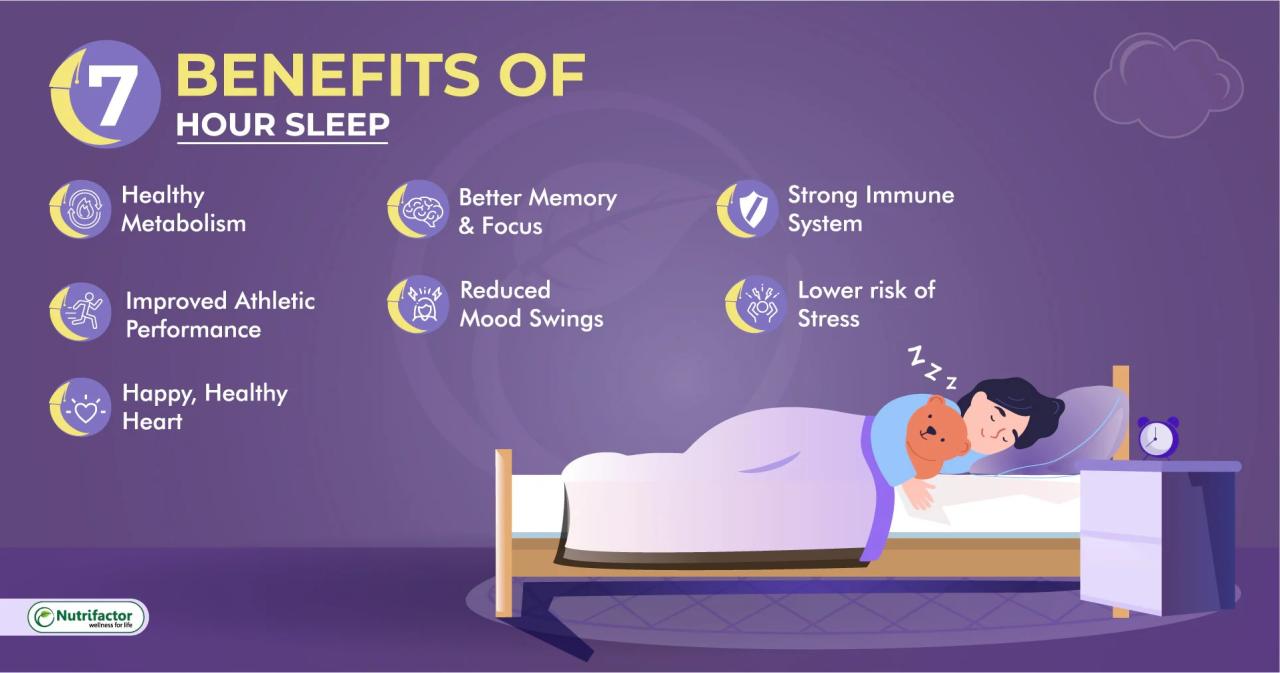
Chronic sleep deprivation can have serious long-term consequences on both physical and mental health. It is essential to understand the risks associated with persistent poor sleep quality in order to prioritize healthy sleep habits and prevent potential health issues in the future.
Increased Risk of Chronic Conditions
- Prolonged sleep deprivation has been linked to an increased risk of developing chronic conditions such as obesity, diabetes, cardiovascular disease, and hypertension.
- Chronic sleep deprivation disrupts hormonal balance, leading to metabolic dysregulation and a higher likelihood of developing these conditions over time.
- Individuals who consistently lack quality sleep are more prone to inflammation and immune system dysfunction, further contributing to the development of chronic diseases.
Impaired Cognitive Function
- Long-term sleep deprivation can impair cognitive function, affecting memory, concentration, decision-making, and overall cognitive performance.
- The brain's ability to process information and form new memories is compromised with chronic sleep deprivation, leading to cognitive decline over time.
Increased Mental Health Risks
- Persistent poor sleep quality is associated with an increased risk of mental health disorders such as depression, anxiety, and mood disorders.
- Individuals who do not address their sleep issues early on are more likely to experience worsening mental health symptoms and may develop more severe mental health conditions in the long run.
Importance of Early Intervention
- Addressing sleep issues early on is crucial to prevent long-term health consequences associated with chronic sleep deprivation.
- Implementing healthy sleep habits, seeking professional help when needed, and prioritizing restful sleep can significantly reduce the risks of developing chronic conditions and cognitive impairments in the future.
- By recognizing the importance of quality sleep and taking proactive steps to improve sleep hygiene, individuals can safeguard their long-term health and well-being.
Last Word
In conclusion, the impact of sleep quality on overall health cannot be overstated. By recognizing the pivotal role of sleep in maintaining optimal well-being, individuals can take proactive steps to improve their sleep habits and safeguard their health in the long run.
FAQ Summary
How does poor sleep quality affect physical health?
Poor sleep quality can lead to a range of physical health issues, including increased risk of heart disease, obesity, and compromised immune function.
What lifestyle habits can improve sleep quality?
Practicing a consistent sleep schedule, creating a relaxing bedtime routine, and avoiding stimulants like caffeine before bed can enhance sleep quality.
Is there a connection between sleep quality and mental health?
Yes, poor sleep quality can contribute to mental health disorders such as depression and anxiety, highlighting the crucial link between rest and emotional well-being.
How can chronic sleep deprivation impact long-term health?
Chronic sleep deprivation is associated with an increased risk of conditions like diabetes, stroke, and cognitive decline, emphasizing the need to address sleep issues promptly.