

Exploring the realm of work-from-home health tips for better posture, this introduction delves into the importance of maintaining proper posture, the impact of ergonomics on our bodies, the benefits of stretching and exercise, and the role of mindfulness in posture improvement.
Importance of Good Posture
Maintaining good posture is crucial for overall health as it plays a significant role in preventing various health issues and promoting overall well-being. Poor posture can lead to a range of negative effects on the body, impacting not only physical health but also mental and emotional well-being.
Negative Effects of Poor Posture
- Increased strain on muscles and joints
- Imbalance in the body's alignment
- Reduced lung capacity
- Digestive issues
- Impaired circulation
Preventing Back Pain and Musculoskeletal Issues
- Proper posture helps distribute weight evenly, reducing strain on the spine and muscles.
- Correct alignment of the spine reduces the risk of developing chronic back pain.
- Good posture supports proper muscle function, reducing the likelihood of musculoskeletal issues.
- Regularly practicing good posture can improve overall body mechanics and prevent injuries.
- Position your computer screen at eye level to avoid straining your neck. Use a monitor stand if needed.
- Adjust your chair so that your feet are flat on the floor and your knees are at a 90-degree angle. Use a footrest if your feet don't reach the floor comfortably.
- Your desk should be at a height that allows your elbows to rest at a 90-degree angle while typing.
- Invest in an adjustable ergonomic chair that provides proper lumbar support to maintain the natural curve of your spine.
- Consider using a keyboard and mouse pad with wrist support to prevent strain on your wrists and forearms.
- If you use a laptop, use a laptop stand and external keyboard and mouse to create a more ergonomic setup.
- Neck Rolls: Gently roll your head in a circular motion, first clockwise and then counterclockwise, to release tension in the neck and shoulders.
- Shoulder Shrugs: Lift your shoulders towards your ears, hold for a few seconds, and then release. Repeat several times to relieve tension in the upper back and shoulders.
- Back Extensions: Stand up straight, place your hands on your lower back, and gently arch backward to stretch the chest and spine.
- Set a timer to remind yourself to take short breaks every hour to stand up, stretch, and walk around. This helps prevent stiffness and reduces the risk of developing poor posture habits.
- Perform quick stretching exercises or simple yoga poses during your breaks to keep your muscles engaged and promote better circulation.
- Include core-strengthening exercises like planks, bridges, and crunches in your workout routine to help support your spine and improve overall posture.
- A strong core helps to maintain proper alignment of the spine, reducing the risk of slouching and back pain associated with poor posture.
- Set reminders throughout the day to check your posture and make necessary adjustments.
- Practice deep breathing exercises to help you relax and release tension in your muscles.
- Take short breaks to stretch and realign your body, focusing on areas that feel tight or strained.
- Use ergonomic tools such as a standing desk or an adjustable chair to support your posture.
Ergonomic Work Setup
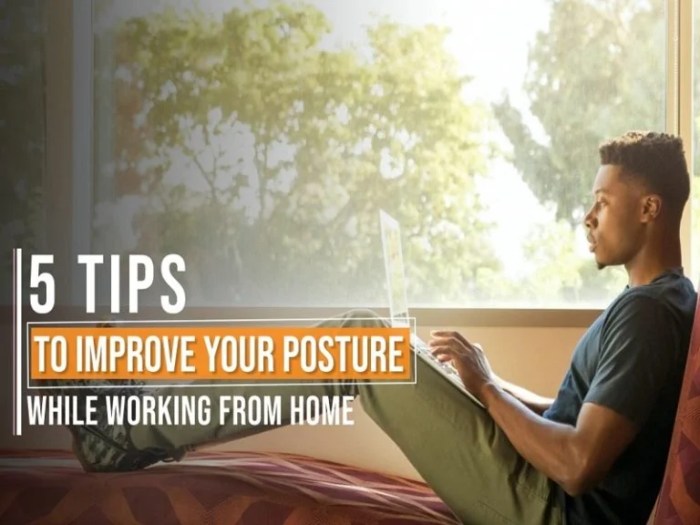
Creating an ergonomic work setup at home is crucial for maintaining good posture and reducing strain on your body. Here are some tips to help you set up a workspace that promotes better health:
Correct Positioning of Equipment
Supportive Equipment Recommendations
Stretching and Exercise
Regular stretching and exercise are essential for maintaining good posture while working from home. These activities help to alleviate muscle tension, improve flexibility, and strengthen key muscle groups that support proper alignment.
Simple Stretching Exercises
Regular Movement Breaks
Strengthening Core Muscles
Mindfulness and Body Awareness
Mindfulness practices can play a crucial role in maintaining good posture by helping individuals become more aware of their body positioning throughout the day. Being mindful allows you to tune into your body and make conscious adjustments to prevent slouching or straining your muscles.
It promotes a sense of alignment and balance, which are essential for overall posture health.
Tips for Increasing Body Awareness:
The Connection Between Stress, Mental Health, and Posture:
Stress and mental health issues can have a significant impact on posture, as they often lead to muscle tension, poor alignment, and decreased body awareness. When individuals are stressed or anxious, they may unknowingly adopt unhealthy postures that can exacerbate existing musculoskeletal problems.
By practicing mindfulness and addressing underlying stressors, individuals can improve their posture and overall well-being.
Conclusive Thoughts
In conclusion, prioritizing good posture while working from home is essential for overall well-being. By implementing the tips and practices discussed, individuals can enhance their posture, reduce the risk of musculoskeletal issues, and promote a healthier lifestyle.
FAQ Summary
How does maintaining good posture benefit overall health?
Maintaining good posture helps align the body correctly, reducing strain on muscles and joints, improving breathing and digestion, and even boosting confidence.
What are some tips for setting up an ergonomic workspace at home?
Ensure your computer screen is at eye level, sit with your feet flat on the floor, and use a chair with good lumbar support to maintain a healthy posture.
Why is mindfulness important for maintaining good posture?
Mindfulness practices can increase body awareness, helping individuals notice and correct their posture throughout the day, leading to long-term benefits for musculoskeletal health.

